Air inside a house often carries particles that cannot be seen easily. Small spores travel through the vents, walls, fabric, and stored items. During mold testing and inspection lazybrook/timbergrove process air sampling helps reveal hidden problems early. Poor air conditioning may lead to breathing trouble, skin irritation, and constant odour issues. Checking the air helps identify the real source instead of guessing the reason. Proper evaluation helps decide the right cleaning method, and also prevents repeated growth later.
Air sample review during the inspection process
Air checking allows inspectors to understand what floats inside rooms. It also shows whether spores spread from one area to another.
- Air sampling finds hidden particles that surfaces cannot show clearly
- Testing devices measure the spore level present inside closed indoor rooms
- Results help compare indoor air conditions with outdoor air levels
- Reports guide proper cleaning steps without causing extra disturbance
Clear air review supports accurate decisions during property evaluation.
Signs showing poor air conditioning indoors
Unusual smell, dust buildup, and breathing trouble often indicate unseen contamination inside living spaces. Checking air quality helps confirm the source. Testing gives reliable data instead of guessing the cause. It also prevents future repair costs by finding issues early.
Why air analysis supports property safety
An air quality check gives proof about the condition inside the walls, floors, and ceiling areas. Hidden spores may move through vents without visible marks on surfaces.
Testing helps protect furniture, clothing, and stored materials from damage. Accurate reading helps plan correct cleaning without removing safe materials.
Situations needing detailed air monitoring
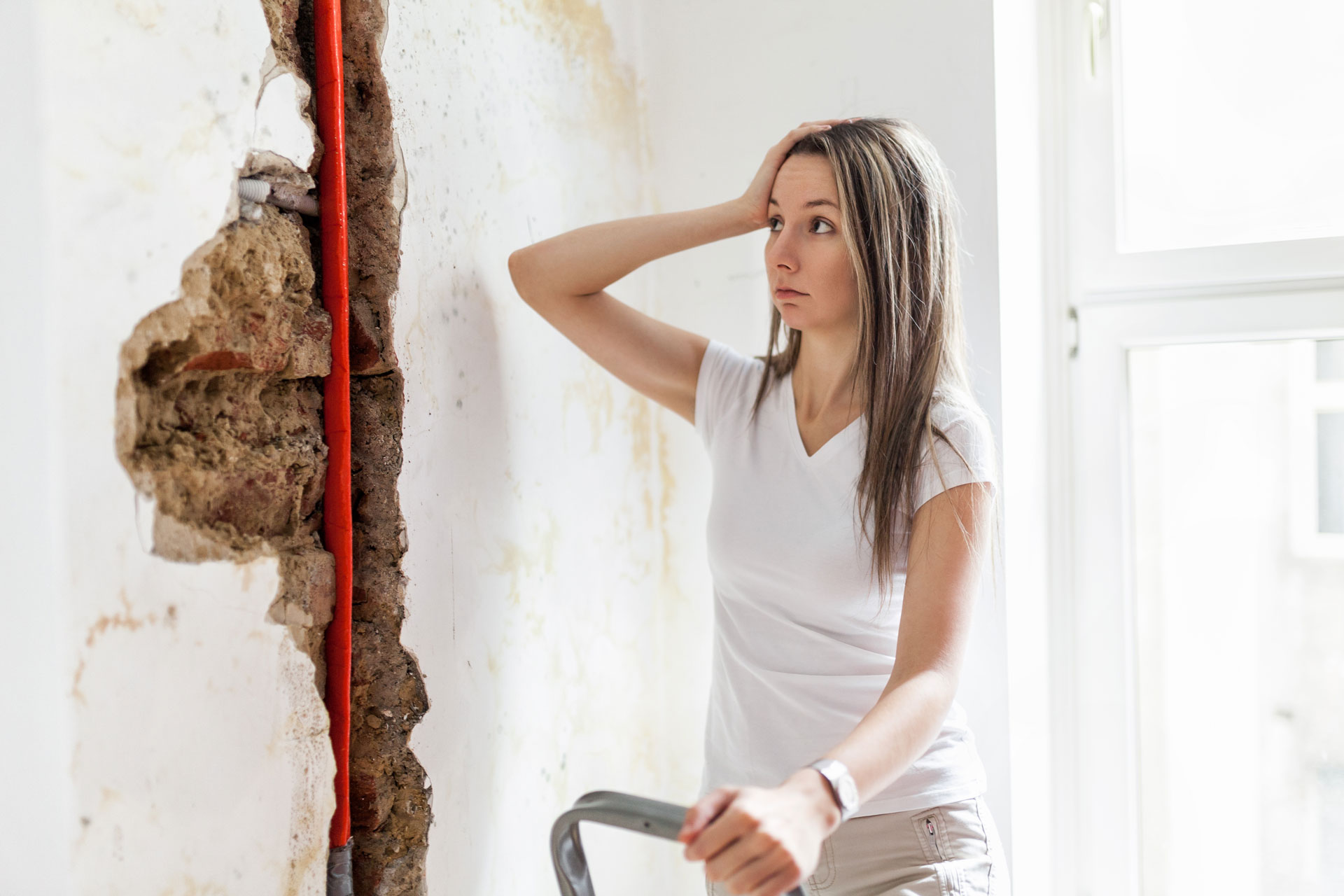
Certain conditions require deeper checking to understand the indoor contamination level. Air testing becomes necessary when signs appear repeatedly.
- Continuous damp smell noticed even after cleaning rooms completely
- Water leakage history inside walls, ceiling, or storage spaces
- Allergy symptoms appear only while staying inside the building
- Old construction areas holding moisture for a long duration
- Closed rooms without ventilation show a frequent dust odour
- Recent repair work done after pipe leakage or seepage
- Dark spots appearing again after the surface cleaning process
- Stored items showing stains without visible water contact
Monitoring helps stop further spread before serious damage occurs.
Reading inspection reports correctly
Reports contain numbers that show the spore level found in samples. A lower count means a normal condition, while a higher count shows contamination. Understanding report details helps choose the proper cleaning method safely.
Clean air checks improve living conditions.
Healthy indoor air keeps the surroundings safe for daily activities. Testing confirms whether the cleaning work solved the actual problem.
It also helps maintain a safe environment for a long time. Proper monitoring reduces the chances of repeated damage later.
During the detailed checking process, experts often include mold testing and inspection lazybrook/timbergrove to confirm air condition before repair steps begin.
Common Questions
- Why check air during inspection? Air shows hidden spores not visible on walls.
- Can air testing find early problems? Yes, it detects issues before damage spreads.
- Is testing needed after cleaning? It confirms whether cleaning solved the problem.
- Do vents affect air conditioning? Poor airflow can carry spores to other rooms.
- How often should the air be checked? Checking is needed when smell or damp signs appear.
Safe air ensures healthy living
A clean indoor environment depends on proper checking methods. Air testing helps find hidden spores that surfaces cannot show. Correct reading allows safe cleaning without removing useful materials. Regular monitoring prevents damage from spreading to other rooms. Careful inspection keeps the living space comfortable and safe for a long time.