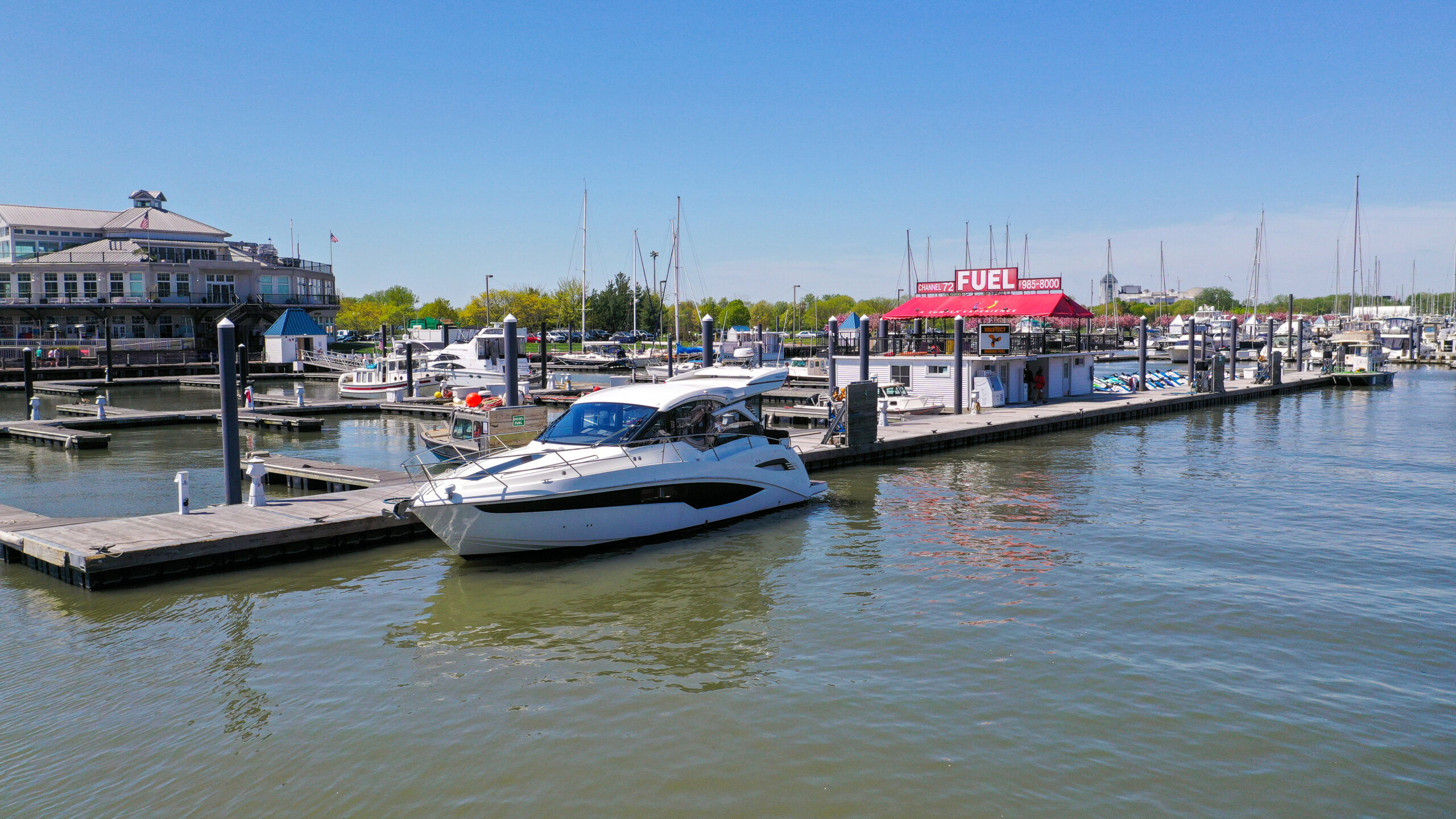
Open water crossings give downtown residents a different route toward Manhattan offices. Anyone living at 333 Grand Street at Liberty Harbor can reach the Paulus Hook terminal on foot. That walk takes roughly twelve to fifteen minutes each way. Summer mornings make the trip pleasant thanks to fresh air plus calm conditions. Cold seasons bring sharp wind, icy sidewalks plus occasional delays. Knowing these patterns helps commuters choose wisely across the year.
Walking Distance to the Terminal
Reaching the dock takes longer than reaching the waterfront buildings nearby. Most of the route follows flat sidewalks through downtown blocks. Pleasant mornings make that stroll feel short. Rain or snow can stretch it noticeably.
Crossing Times on the River
Boats leaving Paulus Hook reach Lower Manhattan in a short ride. The crossing itself often takes under ten minutes. Total trip time also includes walking plus waiting at the dock. Missing a departure can add a noticeable gap before the next boat.
Planning Steps Before Choosing Boats
A little preparation makes river commuting far more dependable. Check these points before switching your routine.
- Review the current timetable for your usual departure hours each day.
- Time the walk to the dock during an ordinary morning.
- Compare ticket prices against your monthly train spending carefully.
- Look into discounted multi-ride passes offered by the boat company.
- Sign up for service alerts so delays reach you quickly.
- Note how often boats run during evenings or on weekends.
- Keep a compact umbrella plus a warm layer near the door.
- Identify a train route you can switch to without stress.

Cold Season Challenges on Water
Winter wind feels much stronger on open decks than on city sidewalks. Fog or storms sometimes cause delays or cancelled sailings. Residents of 333 Grand Street at Liberty Harbor often switch to the train during the coldest weeks. Icy pavements can also slow the walk toward the dock.
What Does Each Boat Ride Really Cost Commuters?
Boat tickets usually cost noticeably more per ride than a PATH fare. Over a full month, that gap can add up to a meaningful amount for daily riders.
Multi-ride books or monthly passes can reduce the price per trip, so compare them before committing. Many commuters choose a mixed approach, riding the boat on pleasant days while using the train when budgets or conditions call for it.
Backup Routes for Stormy Days
The Grove PATH station sits about ten minutes away on foot. Light rail stops nearby offer another dependable choice. Bike share docks help on dry days when boats are delayed.
Helpful FAQ for Daily Riders
- How long is the walk to the dock? Roughly twelve to fifteen minutes on foot.
- Do boats run during winter? Yes, though wind or fog can cause delays.
- Are boat tickets pricier than train fares? Yes, so compare passes before choosing.
- Does weather affect the train much? Rarely, which makes it a reliable backup option.
- Can I bring a bike aboard? Policies vary, so check the boat company’s rules first.
- Which option suits rainy mornings? The nearby train usually offers a drier, more predictable trip.
Flexible Habits Suit Changing Skies
Boat rides shine during mild seasons yet struggle once winter arrives. Short crossings offset a longer stroll toward the dock. Higher fares deserve comparison against monthly train spending. Keep a backup option ready for storms, fog, or icy pavements. Small adjustments repeated regularly beat chasing a flawless routine.